Slips in Eating Disorder Recovery: 4 Powerful Truths
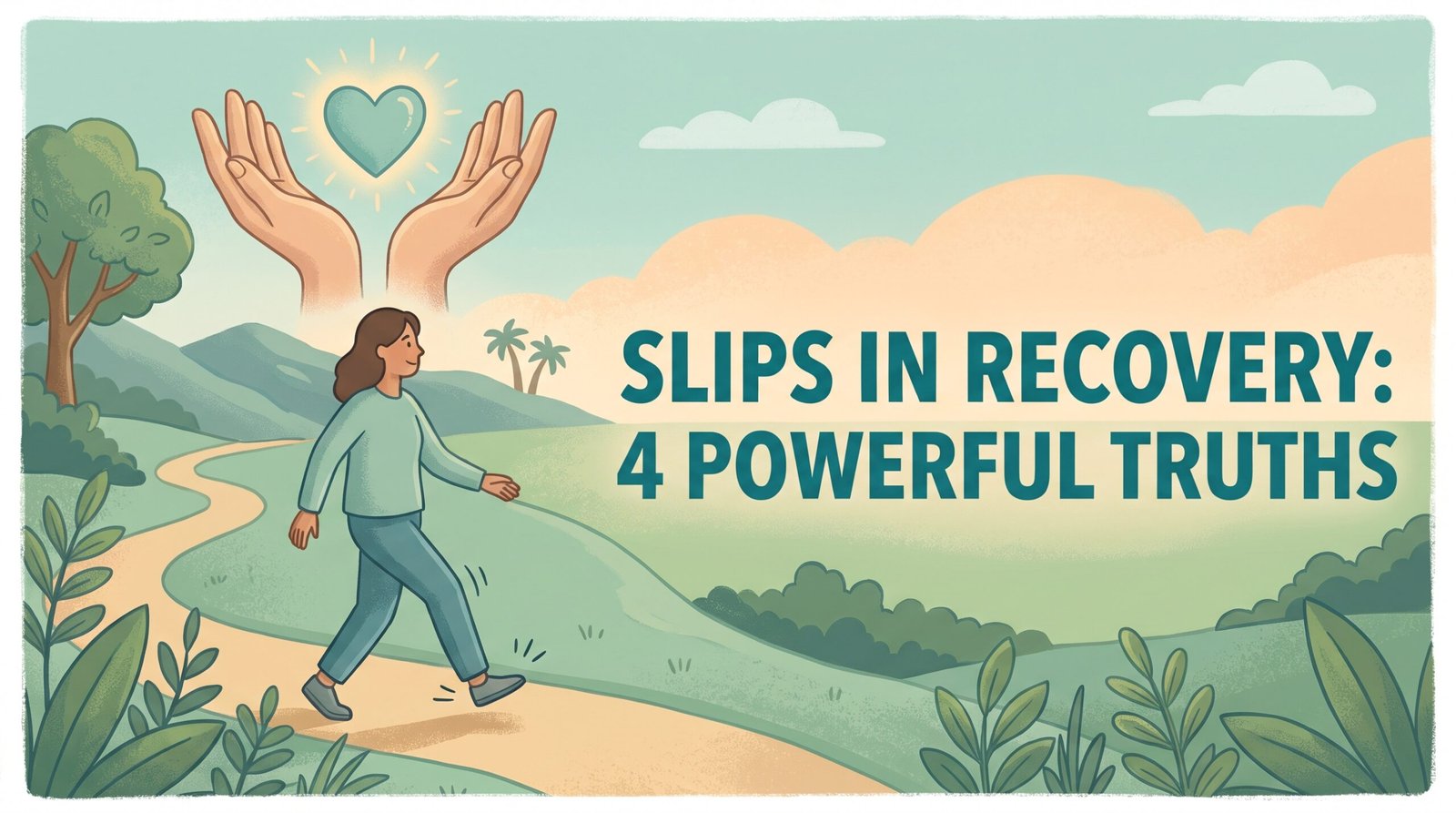
slips in eating disorder recovery are part of the healing journey

Slips in Eating Disorder Recovery: 4 Powerful Truths to Help You Keep Going

Slips in eating disorder recovery can feel scary, discouraging, and even shameful. Maybe an old behavior showed up after weeks of progress. Maybe the eating disorder voice got louder during a stressful season. Whatever happened, if you or your loved one feels like recovery has taken a step backward, please hear this: a slip is not the end of the story.

Recovery is a process of learning, and no one learns a new skill without bumps in the road. Here are four truths to hold onto when a slip happens.

slips in eating disorder recovery are part of the healing journey

1. Slips in Eating Disorder Recovery Are a Normal Part of the Journey

Think about learning to drive, play an instrument, or speak a new language. Progress is never a perfectly straight line. There are moments of confidence and moments when it feels like you’ve forgotten everything.

Recovery works the same way. Slips in eating disorder recovery are common, and experts agree they are part of the healing process for many people. The InsideOut Institute notes that recovery includes ups and downs, and that neither a lapse nor a relapse means a person has failed to recover.

slips in eating disorder recovery are part of the healing journey

2. A Slip Is Not the Same as a Relapse

It can help to understand the difference between a lapse and a relapse. A lapse, or slip, is a brief return to an eating disorder thought or behavior. A relapse is a more sustained return to old patterns and ways of thinking.

One helpful way to picture it: a slip is like tripping on a step, while a relapse is more like falling down the stairs. A single slip doesn’t erase the progress you or your loved one has made. As Equip explains, a lapse doesn’t have to lead to a full relapse, though it may signal a need for more skill-building and support.

slips in eating disorder recovery are part of the healing journey

3. Every Slip Holds Information

When a slip happens, it’s natural to want to move past it as quickly as possible. But slips in eating disorder recovery can teach us something valuable.

Gently ask yourself:

  • What was happening right before the slip?
  • Was there a stressor, a trigger, or a change in routine?
  • Which coping skills helped before, and which ones need more practice?

According to the National Eating Disorders Collaboration, setbacks can be opportunities to better understand how the eating disorder operates. Sometimes revisiting the same lessons is exactly how they become stronger and more lasting.

slips in eating disorder recovery are part of the healing journey

4. How You Respond Matters More Than the Slip Itself

The eating disorder voice often uses a slip as “proof” that recovery isn’t working. This is where self-compassion becomes one of the most powerful recovery tools.

Instead of judgment, try:

  • Naming it without shame. “I had a slip. That’s part of learning.”

  • Returning to the basics. Lean on your meal plan, routines, and coping skills.

  • Reaching out. Tell your treatment team or a trusted support person what happened.

  • Taking the next right step. Recovery is built one choice at a time, not erased by one moment.

slips in eating disorder recovery are part of the healing journey

Supporting a Loved One Through Slips in Eating Disorder Recovery

If you’re supporting someone you love, a slip can bring up fear and worry for you too. Try to respond with curiosity and calm rather than panic or blame. Remind your loved one that setbacks are expected, that you’re in this together, and that their progress still counts. Your steadiness can help them find their footing again.


Keep Going

Slips in eating disorder recovery are not signs of failure. They are signs that you or your loved one is learning something new and difficult, and learning always includes setbacks. Each time you return to recovery after a slip, you build resilience for the road ahead.

You don’t have to navigate this alone. Support is available, and every step back toward recovery matters.

Stay Connected with FAB

If this was helpful in any way, we’d love for you to stay connected with FAB. Here are a few resources to explore next:

Experiencing or Witnessing Signs of an Eating Disorder?

  • Take the Self-Discovery Quiz — A quick way to reflect on your relationship with food and body, and see if FAB might be the right fit for you. Take the quiz

  • Download the Body Image Ebook — A free resource to help you better understand and navigate body image struggles. Get the ebook

  • Schedule a Consultation — Ready to talk? Book a free call with our team to explore what support could look like for you. Schedule here

For Professionals

  • Get the Clinical Quick Guide — A practical resource for professionals looking to better understand and support clients with eating disorders. Download the guide

  • Meet with Dr. Jen — Interested in a referral partnership? Find time on her calendar to connect. Schedule a meeting

Author

Back to Blog

©FAB Food & Body Program

Terms and Conditions