Facing Food Fears, One Meal at a Time
meal support eating disorder

5 Powerful Truths About Meal Support for Eating Disorder Recovery

Meal support for eating disorder recovery is one of the most effective — and most misunderstood — tools in the healing process. Have you or your loved one ever avoided a certain food, restaurant, or type of meal because it felt too scary to face? Learning to sit with that fear instead of running from it is at the heart of what meal support makes possible.

What Is Meal Support for Eating Disorder Recovery, Really?

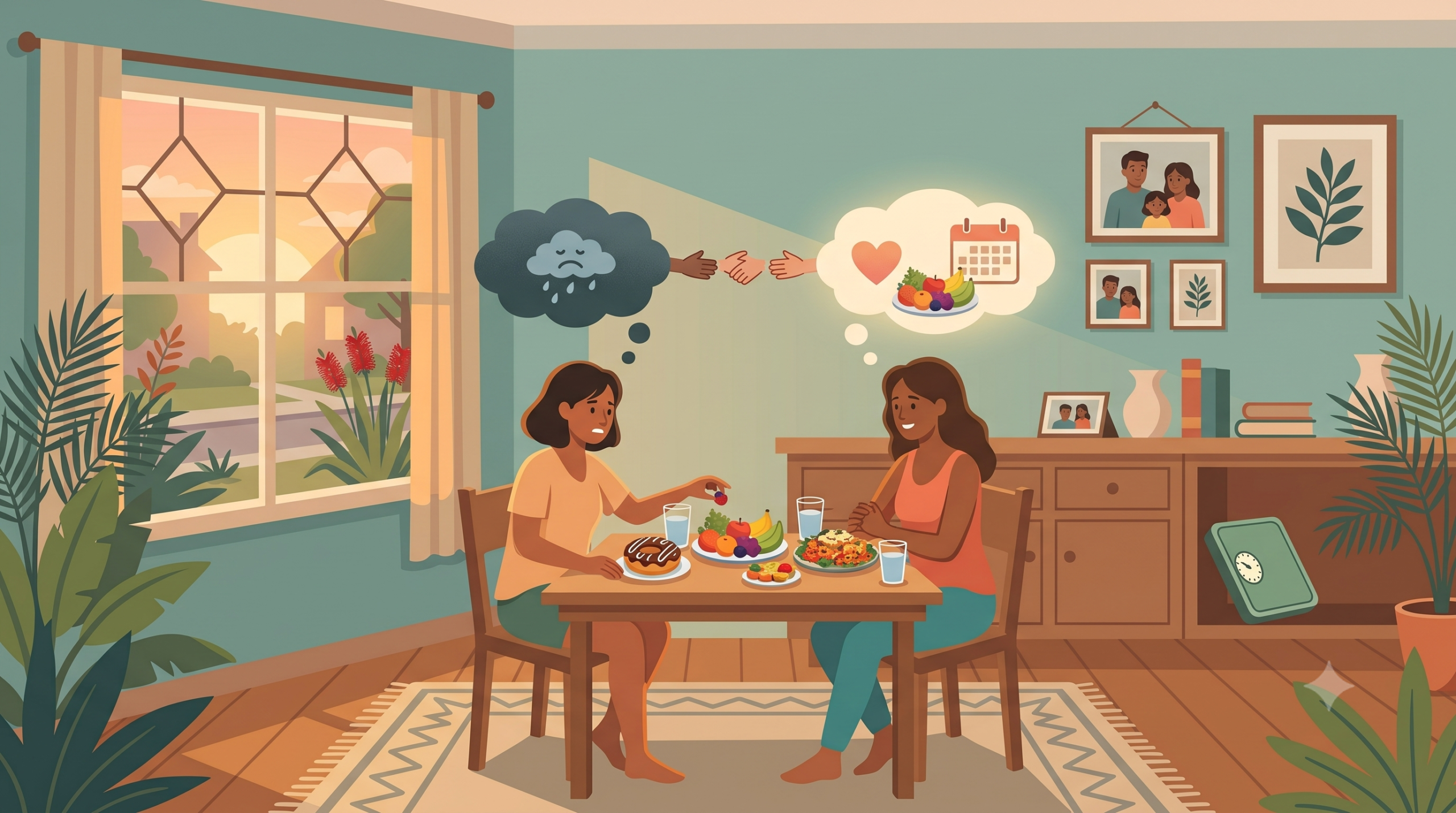
Meal support is built around exposures — intentionally sitting down to eat foods or visit places that feel frightening or “off-limits.” Sometimes that’s a specific dish, like one particular donut from a favorite shop. Sometimes it’s a whole category of food that’s been avoided for a long time. Whatever the exposure looks like, having support in the moment — someone eating alongside you, helping you work through the emotions as they come up — makes all the difference in the recovery process.

These experiences aren’t easy. Most people walk in feeling anxious or resistant. But something shifts along the way. By the end of the meal, the mood is often completely different — lighter, calmer, more hopeful.

According to the National Eating Disorders Association (NEDA), supported meal experiences are a recognized component of comprehensive eating disorder treatment, particularly for those navigating fear foods and food avoidance.

Why Avoidance Makes Fear Grow

One theme worth remembering in eating disorder recovery: the less we face a fear, the bigger it gets. Think of someone who’s afraid of flying — if they simply avoid airplanes forever, the fear never has a chance to shrink. But the moment they’re finally forced to fly, that avoided fear comes rushing back, often bigger than before.

The same is true with food. Narrowing what we eat, sticking to “safe” foods, or avoiding entire food groups might feel protective in the moment, but it usually reinforces disordered eating patterns rather than reducing them. Research from the Academy for Eating Disorders supports that food avoidance is a key maintaining factor in eating disorders — making meal support and exposure work a critical part of treatment.

Repetition Is Where the Magic Happens

Real progress in meal support for eating disorder recovery often takes doing the same exposure more than once. Going back to the same restaurant a second or third week in a row isn’t a step backward — it’s often exactly what’s needed for the fear to fully settle. Over time, confidence builds to return to that same place with a friend or family member, without needing extra support.

This is the nature of exposure-based work: the more consistently we face what frightens us, the more the fear loses its grip.

The Role of Emotion in Meal Support for Eating Disorder Recovery

Meal support isn’t just about eating — it’s about processing what comes up during the eating experience. Emotions, thoughts, and physical sensations all show up at the table. Having a trained professional present means those responses can be worked through in real time, rather than pushed aside or avoided.

This is what separates meal support for eating disorder recovery from simply eating with a friend. The guidance, the coping tools, and the processing that happens during and after the meal are what create lasting change.

You Don’t Have to Do This Alone

Not everyone has access to a trained meal support specialist, but the same principle applies to all of us: healing happens more easily with support. If there’s a food you or your loved one has been avoiding, consider inviting a trusted friend or family member to practice with you. Most loved ones are happy to help — it just takes asking.

Because at the end of the day, the goal of meal support for eating disorder recovery isn’t just about food. It’s about loosening food’s grip on your life, so it can go back to being just one more part of a full, meaningful life — not something to fear.

Stay Connected with FAB

If this was helpful in any way, we’d love for you to stay connected with FAB. Here are a few resources to explore next:

Experiencing or Witnessing Signs of an Eating Disorder?

  • Take the Self-Discovery Quiz — A quick way to reflect on your relationship with food and body, and see if FAB might be the right fit for you. Take the quiz

  • Download the Body Image Ebook — A free resource to help you better understand and navigate body image struggles. Get the ebook

  • Schedule a Consultation — Ready to talk? Book a free call with our team to explore what support could look like for you. Schedule here

For Professionals

  • Get the Clinical Quick Guide — A practical resource for professionals looking to better understand and support clients with eating disorders. Download the guide

  • Meet with Dr. Jen — Interested in a referral partnership? Find time on her calendar to connect. Schedule a meeting

Author

Back to Blog

©FAB Food & Body Program

Terms and Conditions