Spring Break and Recovery: What Happens When Your Routine Changes?
Spring Break and Recovery: What Happens When Your Routine Changes?
College life can be exciting, but it can also be overwhelming. Between classes, extracurricular activities, and maintaining a good GPA, students often rely on routines to stay organized and balanced. For someone recovering from an eating disorder, routines can feel even more important. Having structure in your day — when you wake up, eat, study, and rest — can provide a sense of stability and safety.
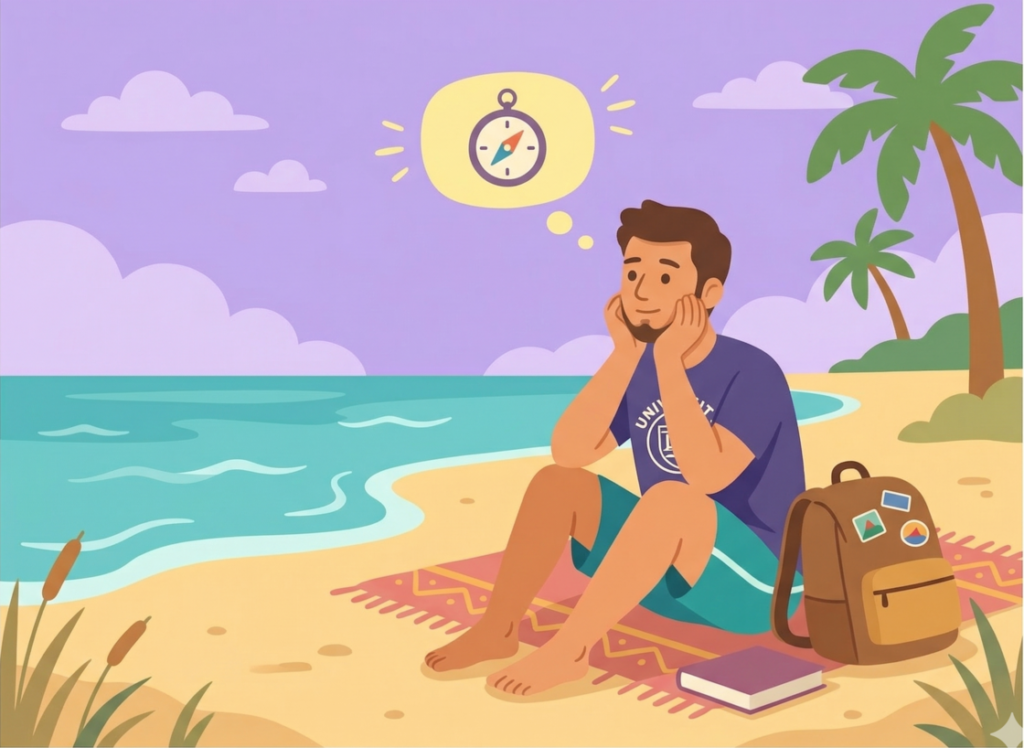
But what happens when that routine suddenly changes? Spring break, vacations, and holidays can interrupt the structure you worked hard to build. Instead of feeling relaxing, these moments can sometimes bring stress or uncertainty. If you’re in recovery, changes in your routine may make the voice of the eating disorder feel louder again.
The most important thing to remember is this: a change in routine does not mean a setback in recovery.
When Your Routine Changes
During the school semester, many students develop a predictable rhythm. You may wake up at the same time every day, eat familiar meals, and follow a schedule that helps you stay focused.
Over time, this routine can become an important part of recovery.
But spring break often changes everything.
Maybe you are traveling. Maybe you are staying with family. Maybe your sleep schedule shifts or the foods available are different from what you’re used to.
When these changes happen, it can feel like the structure you created is suddenly gone. That feeling can be uncomfortable or even frightening.
You might notice the thoughts of the eating disorder returning more strongly during these moments.
If that happens, it doesn’t mean you’ve failed. It simply means you’re experiencing a change in environment — something that happens to everyone.
Flexibility Is Part of Recovery
Sometimes people in recovery feel like their routine must stay exactly the same in order to stay safe. But real life doesn’t always work that way. Vacations happen. Holidays happen. Schedules change. Life moves forward.
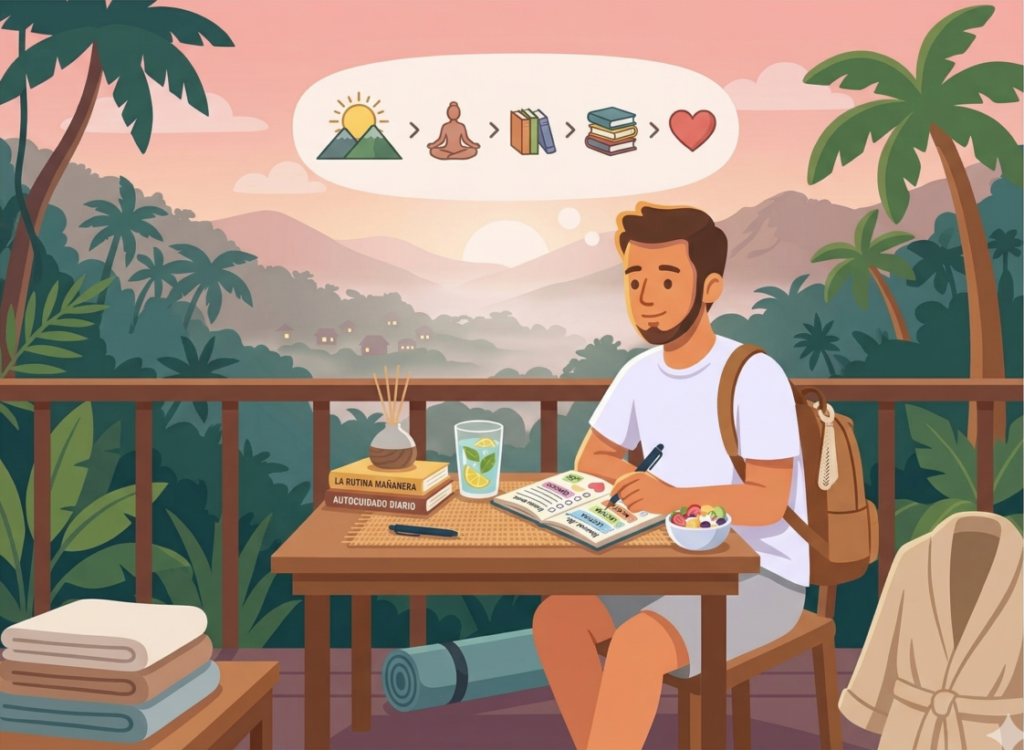
True structure isn’t about rigid control. It’s about creating a foundation that can adjust when circumstances change. Learning to adapt your routine — instead of trying to control every detail — is actually an important part of recovery.
Being flexible with yourself can help reduce stress and make it easier to navigate unexpected situations.
You Are Not Failing
If spring break or a vacation makes recovery feel harder, it does not mean you are doing something wrong.
Recovery is not about perfection. It is about progress. There will be moments when things feel more challenging, especially when your environment changes. What matters most is how you respond with compassion and patience toward yourself.
The skills you learn in recovery are meant to support you through these changes, not to trap you in a routine that cannot evolve.
When to Reach Out for Support
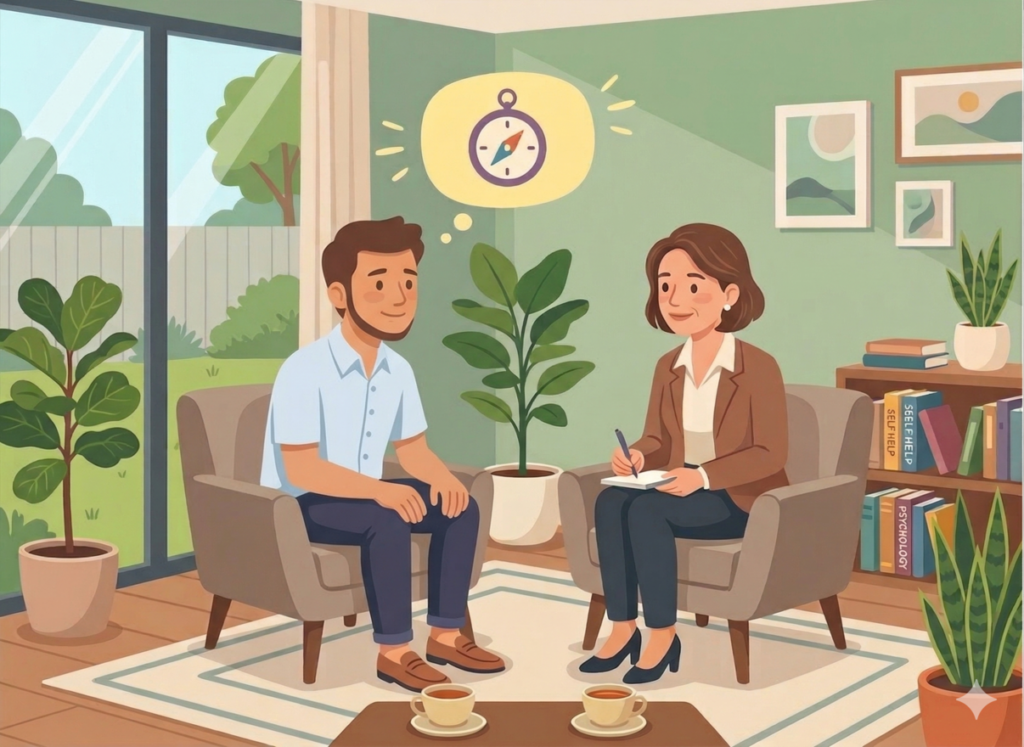
If changes in routine make you feel like old habits are starting to return, reaching out for support can make a big difference.
You do not have to face these moments alone.
Programs like the FAB program are designed to support individuals navigating the ups and downs of eating disorder recovery.
If you feel nervous about traveling, struggling with routine changes, or worried about how spring break might affect your recovery, professional support can help you feel more prepared and grounded.
“We can’t become what we need to be by remaining what we are.”
— Oprah Winfrey
Recovery is a journey that evolves over time. Even when routines shift or life feels unpredictable, each step you take toward caring for yourself matters.
Spring break, vacations, and unexpected schedule changes are part of life. With flexibility, support, and self-compassion, you can continue moving forward in your recovery.